Planning
Website, web app or mobile app: which does your business need?
Not sure whether your business needs a website, a web app or a mobile app? A plain-English guide to the differences, costs and when to choose each one.

Written byShykat Roy
- Published:
- Reading time
- 3 min read
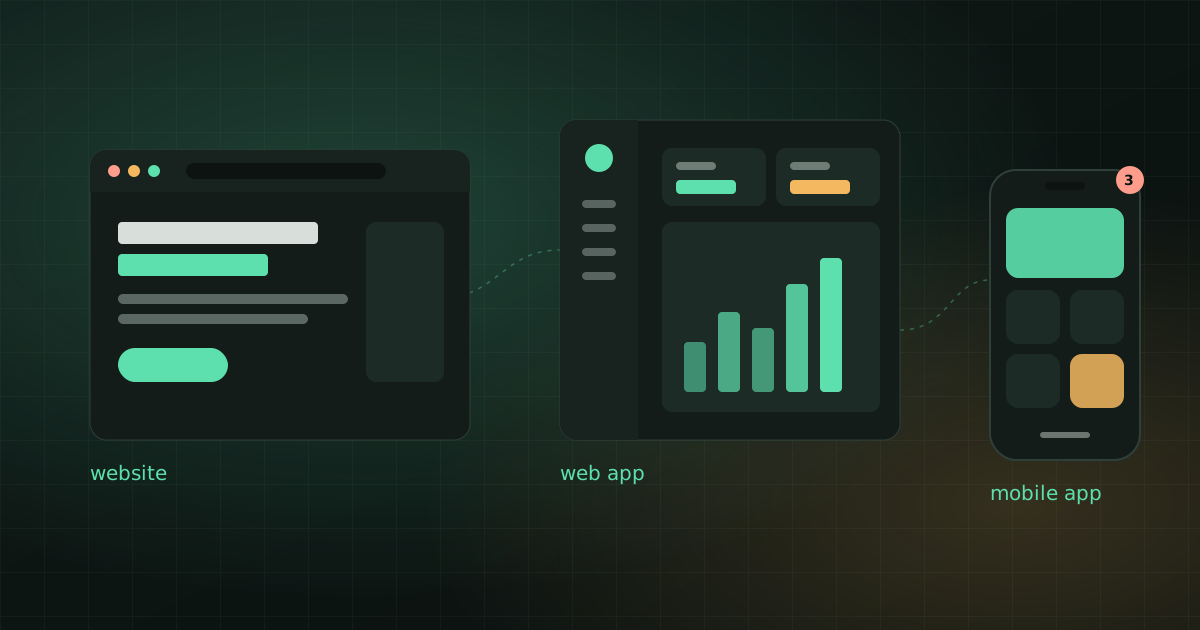
When business owners contact me, one of the first questions is: do I need a website, a web app or a mobile app? The answer decides your budget, your timeline and how your customers will use what you build, so it is worth getting right before any work begins.
This guide explains the difference between the three in plain English, with simple rules to help you choose.
What is the difference?
A website
A website mainly shares information: who you are, what you offer, your prices and how to contact you. Visitors read it, and the goal is usually to turn them into calls, bookings or enquiries. Most small businesses start here.
A web app
A web app runs in the browser like a website, but people do things in it: log in, book appointments, manage orders, upload files or see a dashboard. It has a database and accounts behind it. Online booking systems, customer portals and internal admin tools are all web apps.
A mobile app
A mobile app is installed from the App Store or Google Play. It can use phone features such as push notifications, the camera and location, and it works best for things customers use often, such as ordering, loyalty schemes or tracking.
When a website is enough
- You want new customers to find you on Google and get in touch
- Your services and prices change only now and then
- Customers contact you by phone, email or a simple form
- You want to look professional and trustworthy quickly
For most of these businesses, a fast, SEO-friendly website is the best first step. See my business website package for what that includes.
When you need a web app
- Customers need to book, order or pay online without calling you
- You or your staff need to log in and manage data
- You are spending hours on admin that software could do
- You need different access for customers, staff and managers
A common example is online booking: customers pick a service and time themselves, and you get confirmations and reminders automatically. Read more about booking websites.
When a mobile app makes sense
- Customers will use it often, ideally every week
- Push notifications would bring them back, such as offers or order updates
- You need phone features like the camera, GPS or offline use
- You already have a website or web app that works well
A good rule of thumb If customers will only visit a few times a year, they will not download an app. Start with a website or web app, and add a mobile app once you have regular users.
How the costs and timelines compare
A business website is the quickest and most affordable option, usually live in 2 to 3 weeks. A web app takes longer because it needs accounts, a database and more testing; a booking website typically takes 4 to 5 weeks. A mobile app is usually the biggest investment, as it must be built and tested for both iPhone and Android and approved by the app stores.
The good news is that one well-built back end can power all three. If you start with a website or web app built on solid foundations such as Laravel or Node.js, adding a mobile app later is much easier and cheaper.
My recommendation
Start with the simplest thing that solves your problem today, and build it so it can grow. For most businesses that means a fast website first, a web app when admin starts to slow you down, and a mobile app once customers use your service regularly.
Not sure which fits you? Book a free call and I will give you an honest recommendation, even if it is the smaller option.
Topics
- Web apps
- Mobile apps
- Websites
- Planning
Frequently asked questions
Is a web app the same as a website?
Not quite. Both run in a browser, but a website mainly shares information, while a web app lets people log in and do things such as book, order or manage data.
Can a web app work on phones?
Yes. A well-built web app works on phones, tablets and computers without being installed, which makes it a good first step before a mobile app.
Can I add a mobile app later?
Yes. If your website or web app has a well-built back end, a mobile app can use the same data and accounts, so adding it later is much simpler.
Which option is best for getting found on Google?
A website. Search engines read website pages easily, while content inside a mobile app is not shown in Google search results.
Keep reading
All articles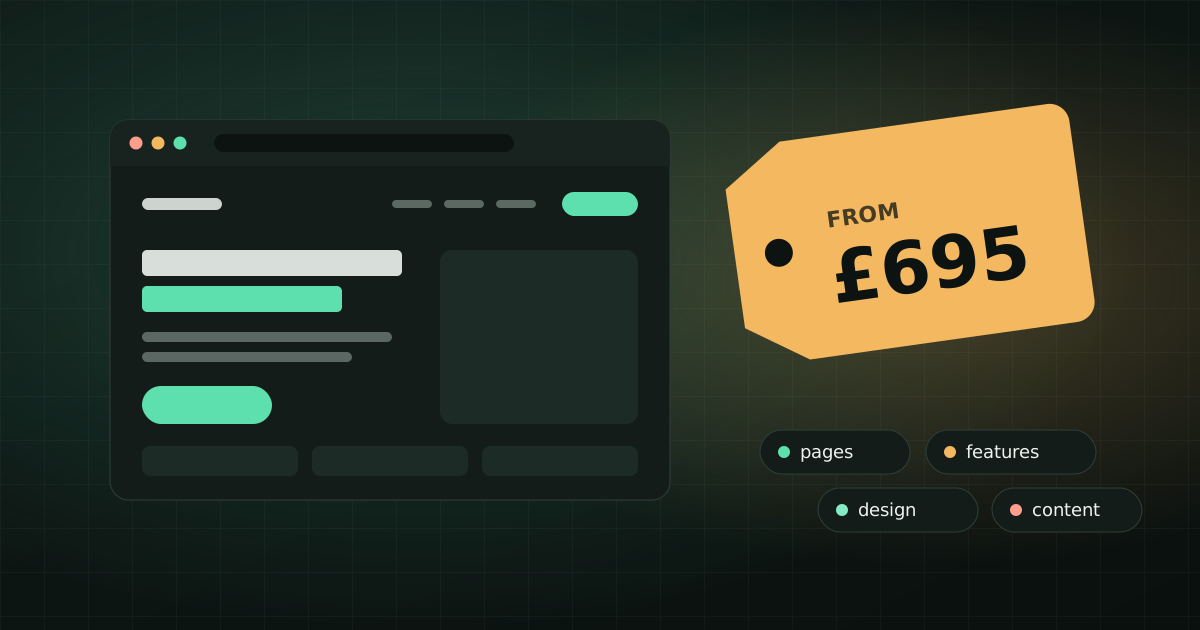 Pricing
How much does a small business website cost in 2026?
A clear breakdown of what a small business website costs in 2026, what affects the price, the hidden costs to watch for and how to get a fixed quote.
2 min read